One of the unintended consequence of blazing new trails is, often, capturing incredible photographs. That’s how we ended up with this gorgeous shot that shows SpaceX’s Falcon 9 rocket both taking off and landing… in a single long exposure. This particular image was captured on July 18th, the night the Falcon 9 delivered the Dragon cargo spacecraft into orbit. Once the payload was securely on its way to the International Space Station, the rocket’s first stage descended back to Earth where it made a successful landing that, no matter how many times you see it, should still inspire awe. In total, about 9 minutes elapsed between takeoff and landing.
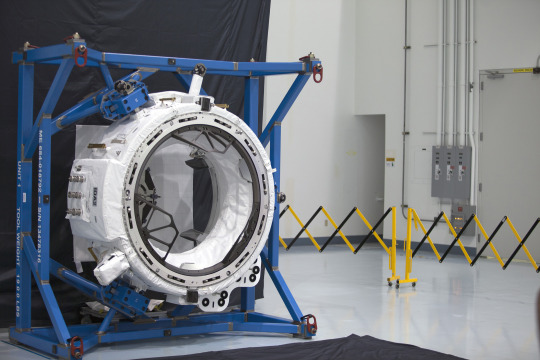
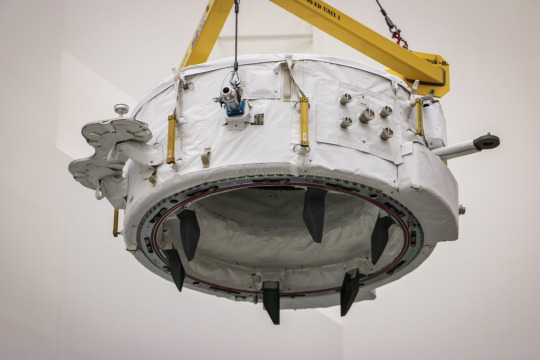
Among the arriving cargo is the first of two international docking adapters, which will allow commercial spacecraft to dock to the station when transporting astronauts in the near future as part of our Commercial Crew Program.
This metallic ring, big enough for astronauts and cargo to fit through represents the first on-orbit element built to the docking measurements that are standardized for all the spacecraft builders across the world.
Its first users are expected to be the Boeing Starliner and SpaceX Crew Dragon spacecraft, which are both now in development.
What About the Science?!
Experiments launching to the station range from research into the effects of microgravity on the human body, to regulating temperature on spacecraft. Take a look at a few:
A Space-based DNA Sequencer
DNA testing aboard the space station typically requires collecting samples and sending them back to Earth to be analyzed. Our Biomolecule Sequencer Investigation will test a new device that will allow DNA sequencing in space for the first time! The samples in this first test will be DNA from a virus, a bacteria and a mouse.
How big is it? Picture your smartphone…then cut it in half. This miniature device has the potential to identify microbes, diagnose diseases and evaluate crew member health, and even help detect DNA-based life elsewhere in the solar system.
OsteoOmics
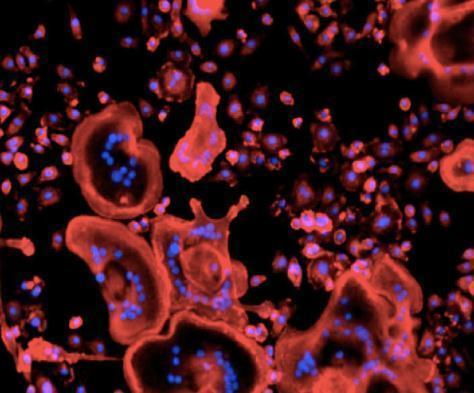
OsteoOmics is an experiment that will investigate the molecular mechanisms that dictate bone loss in microgravity. It does this by examining osteoblasts, which form bone; and osteoclasts, which dissolves bone. New ground-based studies are using magnetic levitation equipment to simulate gravity-related changes. This experiment hopes to validate whether this method accurately simulates the free-fall conditions of microgravity.
Results from this study could lead to better preventative care or therapeutic treatments for people suffering bone loss, both on Earth and in space!
Heart Cells Experiment
The goals of the Effects of Microgravity on Stem Cell-Derived Heart Cells (Heart Cells) investigation include increasing the understanding of the effects of microgravity on heart function, the improvement of heart disease modeling capabilities and the development of appropriate methods for cell therapy for people with heart disease on Earth.
Phase Change Material Heat Exchanger (PCM HX)
The goal of the Phase Change Material Heat Exchanger (PCM HX) project is to regulate internal spacecraft temperatures. Inside this device, we’re testing the freezing and thawing of material in an attempt to regulate temperature on a spacecraft. This phase-changing material (PCM) can be melted and solidified at certain high heat temperatures to store and release large amounts of energy.
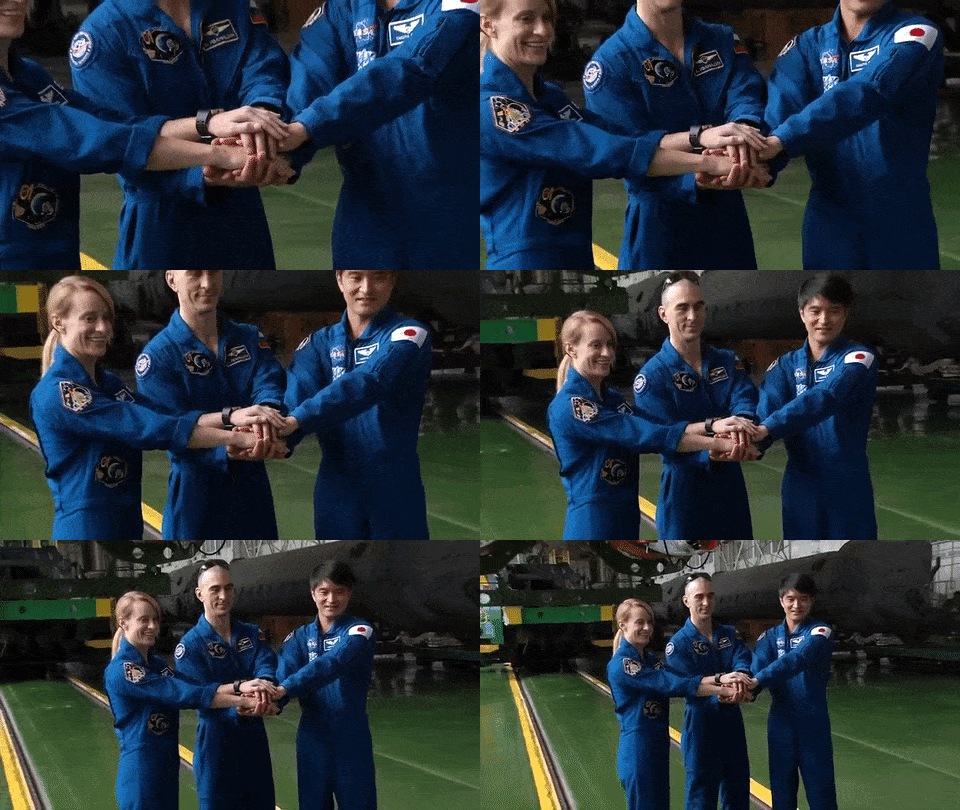
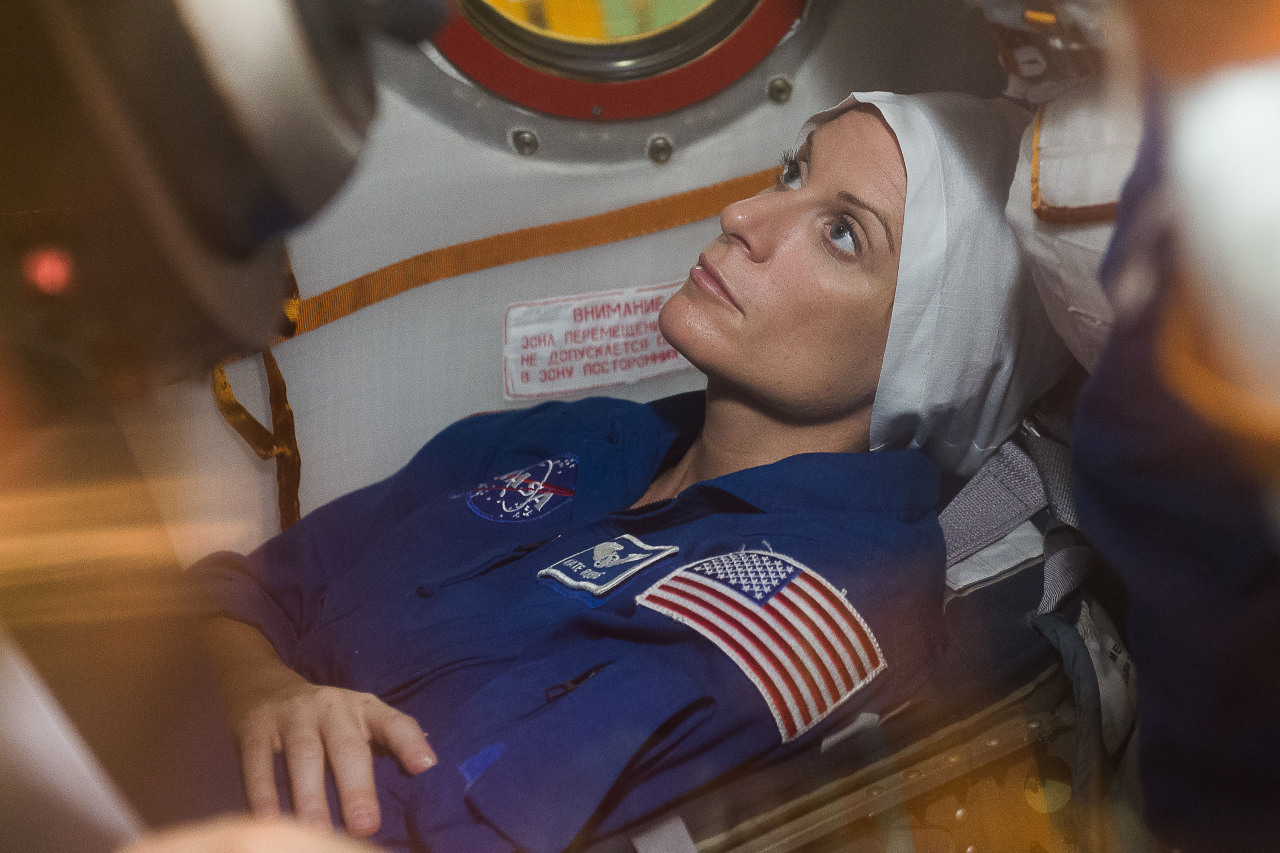
Among the newest crew on the International Space Station is U.S. astronaut Kate Rubins, who will assume the role of Flight Engineer for Expeditions 48 and 49. Here are five things you should know about her:
1. She was chosen from a pool of over 3,500 applicants to receive a spot on our 2009 astronaut training class.
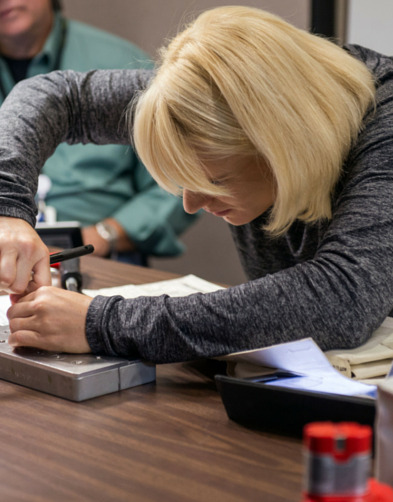
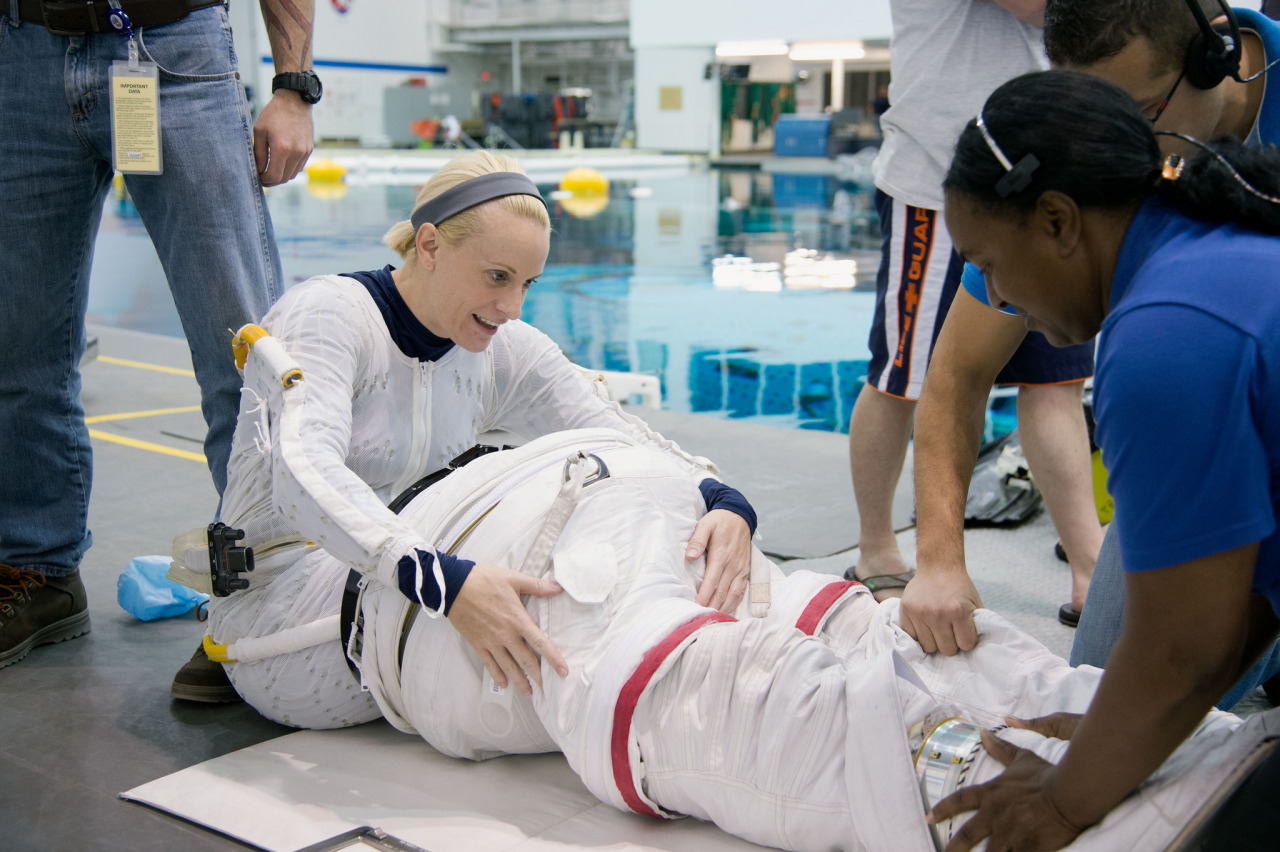
After being selected, Rubins spent years training at Johnson Space Center to become an astronaut. She learned how to use the complex station systems, perform spacewalks, exercise in space and more. Some training even utilized virtual reality.
2. She has a degree in cancer biology.
After earning a Bachelor of Science degree in Molecular Biology from the University of California, San Diego in 1999, Rubins went on to receive a doctorate in Cancer Biology from Stanford University Medical School Biochemistry Department and Microbiology and Immunology Department in 2005. In other words, she’s extremely smart.
3. Her research has benefited humanity.
Rubins helped to create therapies for Ebola and Lassa viruses by conducting research collaboratively with the U.S. Army. She also aided development of the first smallpox infection model with the U.S. Army Medical Research Institute of Infectious Diseases and the Centers for Disease Control and Prevention. NBD. It will be exciting to see the research come out of a mission with a world-class scientist using a world-class, out-of-this-world laboratory!
4. She is scheduled to be the first person to sequence DNA in space.
During her time at the space station, Rubins will participate in several science experiments. Along with physical science, Earth and space science and technology development work, she will conduct biological and human research investigations. Research into sequencing the first genome in microgravity and how the human body’s bone mass and cardiovascular systems are changed by living in space are just two examples of the many experiments in which Rubins may take part.
5. In her spare time, she enjoys scuba diving and triathlons…among other things.
Rubins was on the Stanford Triathlon team, and also races sprint and Olympic distance. She is involved with health care/medical supply delivery to Africa and started a non-profit organization to bring supplies to Congo. Her recent pursuits involve flying airplanes and jumping out of them – not simultaneously.
Rubins is scheduled to arrive at the International Space Station at 12:12 a.m. Saturday, July 9.After her launch on Wednesday, July 6, the three crew members traveled 2 days before docking to the space station’s Rassvet module.
Watch live coverage of docking and their welcoming starting at 11:30 p.m. EDT Friday, July 8 on NASA Television.